Buy pharmaconsulting.eu ?
We are moving the project
pharmaconsulting.eu .
Are you interested in purchasing the domain
pharmaconsulting.eu ?
domain@kv-gmbh.de · 0541-91531010
Buy pharmaconsulting.eu ?
Does market research hinder innovation in business administration?
Market research does not necessarily hinder innovation in business administration. In fact, it can provide valuable insights into consumer needs and preferences, helping businesses to develop innovative products and services that meet market demands. By understanding market trends and customer behavior, businesses can identify opportunities for innovation and stay ahead of competitors. However, relying too heavily on market research without allowing room for creativity and risk-taking can limit the potential for groundbreaking innovations. It is important for businesses to strike a balance between leveraging market research and fostering a culture of innovation to drive success in business administration. **
How to create a titration curve of a conductivity titration?
To create a titration curve of a conductivity titration, you would first need to set up your titration apparatus with a conductivity meter. Begin by measuring the initial conductivity of the solution being titrated. As you add titrant incrementally, record the conductivity at each point. Plot the conductivity values against the volume of titrant added to create a titration curve. The curve will typically show a sharp increase in conductivity at the equivalence point, allowing you to determine the endpoint of the titration. **


Similar search terms for Titration
Top-Angebote
Products related to Titration:
-
Gamegenic Magic: The Gathering Reality Fracture Premium Art Sleeves - Chandra, Chill of Compliance - Gamegenic Chandra, Chill of ComplianceProtect your Magic: The Gathering cards with style using the Gamegenic Reality Fracture Premium Art Sleeves featuring Chandra, Chill of Compliance. These sleeves combine everyday protection with artwork inspired by the Reality Fracture setting, making them perfect for players who want dependable card protection without losing the character of their collection. They help shield cards from handling, surface wear, and minor marks during play, deck building, and storage. The sleeves are designed for Magic: The Gathering cards and are available in a retail pack. Pair them with a compatible deck box or card storage solution for a coordinated setup.9,39 £*Shipping: 3,95 £Secure redirect to the provider
-
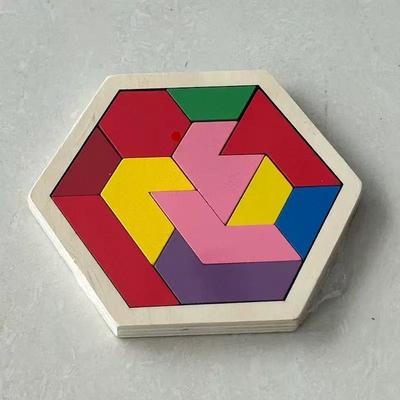
Perfect Picks Market Wooden Geometric Jigsaw Puzzle For Kids Brain Development Toy blackSpark curiosity and boost learning with the Wooden Geometric Jigsaw Puzzle. Designed for children, this educational toy blends fun with brain development, helping kids improve problemsolving, handeye coordination, and spatial awareness. Crafted from...29,97 $*Shipping: 0,00 $Secure redirect to the provider
-
Flythe Consulting Arika Wall Sconce Pair, Pair, Satin NickelThe Arika Wall Sconce Pair is an adaptation of old-fashioned light fixtures, with an appealing design that will complement modern decor. The lacquered solid brass sconces have 4.75 dia.x7 H clear glass hurricanes that will protect your standard...179,00 $*Shipping: 22,95 $Secure redirect to the provider



-
How does a titration with the degree of titration work?
A titration with the degree of titration works by gradually adding a titrant of known concentration to a solution of the analyte until the reaction between the two is complete. The point at which the reaction is complete is determined by using an indicator or a pH meter. The amount of titrant required to reach this point is used to calculate the concentration of the analyte in the original solution. The degree of titration refers to the extent to which the reaction has progressed and is typically expressed as a percentage. **
-
How does titration work?
Titration is a technique used in chemistry to determine the concentration of a specific substance in a solution. It involves slowly adding a solution of known concentration (titrant) to a solution of unknown concentration until the reaction between the two is complete. This is typically indicated by a color change or other observable change. By measuring the volume of titrant required to reach the endpoint, the concentration of the unknown solution can be calculated using stoichiometry. **
-
What is a titration?
A titration is a laboratory technique used to determine the concentration of a specific substance in a solution. It involves slowly adding a solution of known concentration (titrant) to a solution of unknown concentration until the reaction between the two is complete. The point at which the reaction is complete is called the equivalence point, which is used to calculate the concentration of the unknown solution. Titration is commonly used in chemistry for various purposes, such as determining the acidity or alkalinity of a solution. **
-
Can the titration volume be calculated without having performed the titration beforehand?
No, the titration volume cannot be accurately calculated without having performed the titration beforehand. The titration volume is determined by the amount of titrant needed to reach the equivalence point, which can only be determined through the actual titration process. The titration volume is a crucial parameter in determining the concentration of the analyte in the sample, so it is essential to perform the titration to obtain this information accurately. **

What does a titration curve look like when no titration is performed?
When no titration is performed, a titration curve would simply be a straight horizontal line at the initial pH of the solution being tested. This is because there would be no addition of titrant to cause any changes in pH. The curve would remain flat and unchanging until a titrant is added to initiate the titration process. **
What is the difference between a pH-metric titration and an indicator titration?
A pH-metric titration involves the use of a pH meter to measure the pH of a solution as a titrant is added to it. This allows for a precise determination of the equivalence point of the titration. On the other hand, an indicator titration uses a chemical indicator that changes color at or near the equivalence point to signal the end of the titration. While pH-metric titrations provide more accurate and precise results, indicator titrations are simpler and more commonly used in introductory chemistry labs. **
Top-Angebote
Products related to Titration:
-
Board and Dice Nucleum Energy Research Institute Board Game - Strategic Economic Board Game with Energy Networks and Research DevelopmentBuild an industrial empire in an alternate twentieth century transformed by the Uranium Revolution. Compete to develop powerful energy networks, attract investment, and earn the support of influential patrons. Plan routes, expand research, and connect cities as you develop increasingly ambitious technologies. Every decision affects progress, from constructing facilities to pursuing contracts and partnerships. Resource management and long-term planning are essential to succeed.23,20 £*Shipping: 3,95 £Secure redirect to the provider
-
Research-powered Eye Duo - Skincare Kit Charlotte Tilbury 2808 Charlotte's Research-powered Eye Duo Size:Darlings, unlock the secret to eyes that appear brighter, depuffed, smoother and younger with my Research-Powered Eye Duo! This CharlotteTilbury.com EXCLUSIVE skincare duo includes:94,05 £*Shipping: 0,00 £Secure redirect to the provider
-
Gamegenic Magic: The Gathering Reality Fracture Premium Art Sleeves - Chandra, Chill of Compliance - Gamegenic Chandra, Chill of ComplianceProtect your Magic: The Gathering cards with style using the Gamegenic Reality Fracture Premium Art Sleeves featuring Chandra, Chill of Compliance. These sleeves combine everyday protection with artwork inspired by the Reality Fracture setting, making them perfect for players who want dependable card protection without losing the character of their collection. They help shield cards from handling, surface wear, and minor marks during play, deck building, and storage. The sleeves are designed for Magic: The Gathering cards and are available in a retail pack. Pair them with a compatible deck box or card storage solution for a coordinated setup.9,39 £*Shipping: 3,95 £Secure redirect to the provider
-
Perfect Picks Market Wooden Geometric Jigsaw Puzzle For Kids Brain Development Toy blackSpark curiosity and boost learning with the Wooden Geometric Jigsaw Puzzle. Designed for children, this educational toy blends fun with brain development, helping kids improve problemsolving, handeye coordination, and spatial awareness. Crafted from...29,97 $*Shipping: 0,00 $Secure redirect to the provider
-
Does market research hinder innovation in business administration?
Market research does not necessarily hinder innovation in business administration. In fact, it can provide valuable insights into consumer needs and preferences, helping businesses to develop innovative products and services that meet market demands. By understanding market trends and customer behavior, businesses can identify opportunities for innovation and stay ahead of competitors. However, relying too heavily on market research without allowing room for creativity and risk-taking can limit the potential for groundbreaking innovations. It is important for businesses to strike a balance between leveraging market research and fostering a culture of innovation to drive success in business administration. **
-
How to create a titration curve of a conductivity titration?
To create a titration curve of a conductivity titration, you would first need to set up your titration apparatus with a conductivity meter. Begin by measuring the initial conductivity of the solution being titrated. As you add titrant incrementally, record the conductivity at each point. Plot the conductivity values against the volume of titrant added to create a titration curve. The curve will typically show a sharp increase in conductivity at the equivalence point, allowing you to determine the endpoint of the titration. **
-
How does a titration with the degree of titration work?
A titration with the degree of titration works by gradually adding a titrant of known concentration to a solution of the analyte until the reaction between the two is complete. The point at which the reaction is complete is determined by using an indicator or a pH meter. The amount of titrant required to reach this point is used to calculate the concentration of the analyte in the original solution. The degree of titration refers to the extent to which the reaction has progressed and is typically expressed as a percentage. **
-
How does titration work?
Titration is a technique used in chemistry to determine the concentration of a specific substance in a solution. It involves slowly adding a solution of known concentration (titrant) to a solution of unknown concentration until the reaction between the two is complete. This is typically indicated by a color change or other observable change. By measuring the volume of titrant required to reach the endpoint, the concentration of the unknown solution can be calculated using stoichiometry. **
Similar search terms for Titration
-
Flythe Consulting Arika Wall Sconce Pair, Pair, Satin NickelThe Arika Wall Sconce Pair is an adaptation of old-fashioned light fixtures, with an appealing design that will complement modern decor. The lacquered solid brass sconces have 4.75 dia.x7 H clear glass hurricanes that will protect your standard...179,00 $*Shipping: 22,95 $Secure redirect to the provider
-
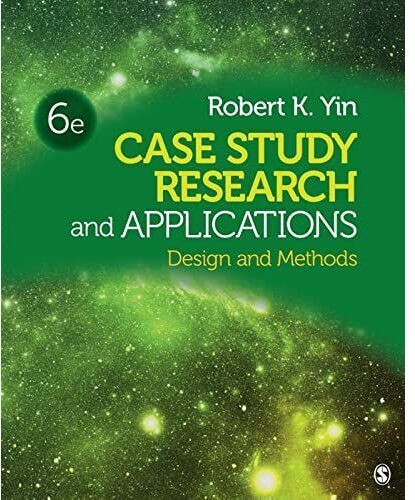
SAGE Publications Case Study Research and Applications: Design and MethodsRecognized as one of the most cited methodology books in the social sciences, the Sixth Edition of Robert K. Yin′s bestselling text provides a complete portal to the world of case study research. With the integration of 11 applications in this edition, the book gives readers access to exemplary case studies drawn from a wide variety of academic and applied fields. Ultimately, Case Study Research and Applications will guide students in the successful use and application of the case study research method.59,99 £*Shipping: 0,00 £Secure redirect to the provider
-
Sesderma Reti Age 5 Liposomal Serum Anti-Aging Innovation 30mLA facial serum for wrinkles and signs of ageing. Reduces wrinkles and fine lines. Hydrates and strengthens barrier. Restores youthful radiance. 5-Retinoid System: smooths wrinkles, accelerates renewal, and boosts collagen. Biomimetic Peptides: fill expression lines by stimulating collagen synthesis.53,26 £*Shipping: 5,22 £Secure redirect to the provider
-
What is a titration?
A titration is a laboratory technique used to determine the concentration of a specific substance in a solution. It involves slowly adding a solution of known concentration (titrant) to a solution of unknown concentration until the reaction between the two is complete. The point at which the reaction is complete is called the equivalence point, which is used to calculate the concentration of the unknown solution. Titration is commonly used in chemistry for various purposes, such as determining the acidity or alkalinity of a solution. **
-
Can the titration volume be calculated without having performed the titration beforehand?
No, the titration volume cannot be accurately calculated without having performed the titration beforehand. The titration volume is determined by the amount of titrant needed to reach the equivalence point, which can only be determined through the actual titration process. The titration volume is a crucial parameter in determining the concentration of the analyte in the sample, so it is essential to perform the titration to obtain this information accurately. **
-
What does a titration curve look like when no titration is performed?
When no titration is performed, a titration curve would simply be a straight horizontal line at the initial pH of the solution being tested. This is because there would be no addition of titrant to cause any changes in pH. The curve would remain flat and unchanging until a titrant is added to initiate the titration process. **
-
What is the difference between a pH-metric titration and an indicator titration?
A pH-metric titration involves the use of a pH meter to measure the pH of a solution as a titrant is added to it. This allows for a precise determination of the equivalence point of the titration. On the other hand, an indicator titration uses a chemical indicator that changes color at or near the equivalence point to signal the end of the titration. While pH-metric titrations provide more accurate and precise results, indicator titrations are simpler and more commonly used in introductory chemistry labs. **
* All prices are inclusive of VAT and, if applicable, plus shipping costs. The offer information is based on the details provided by the respective shop and is updated through automated processes. Real-time updates do not occur, so deviations can occur in individual cases. ** Note: Parts of this content were created by AI.