Buy pharmaconsulting.eu ?
We are moving the project
pharmaconsulting.eu .
Are you interested in purchasing the domain
pharmaconsulting.eu ?
domain@kv-gmbh.de · 0541-91531010
Buy pharmaconsulting.eu ?
What is the difference between allosteric inhibition and allosteric activation?
Allosteric inhibition occurs when a molecule binds to an allosteric site on an enzyme, causing a conformational change that decreases the enzyme's activity. In contrast, allosteric activation involves a molecule binding to an allosteric site on an enzyme, leading to a conformational change that increases the enzyme's activity. Essentially, allosteric inhibition decreases enzyme activity, while allosteric activation increases enzyme activity. **
Is allosteric inhibition irreversible?
Allosteric inhibition is typically reversible, meaning that the inhibitor can bind to the allosteric site and block the activity of the enzyme, but can also dissociate from the site, allowing the enzyme to regain its activity. This is in contrast to irreversible inhibition, where the inhibitor forms a covalent bond with the enzyme, permanently inactivating it. **


Similar search terms for Allosteric
Top-Angebote
Products related to Allosteric:
-
Gamegenic Magic: The Gathering Reality Fracture Premium Art Sleeves - Chandra, Chill of Compliance - Gamegenic Chandra, Chill of ComplianceProtect your Magic: The Gathering cards with style using the Gamegenic Reality Fracture Premium Art Sleeves featuring Chandra, Chill of Compliance. These sleeves combine everyday protection with artwork inspired by the Reality Fracture setting, making them perfect for players who want dependable card protection without losing the character of their collection. They help shield cards from handling, surface wear, and minor marks during play, deck building, and storage. The sleeves are designed for Magic: The Gathering cards and are available in a retail pack. Pair them with a compatible deck box or card storage solution for a coordinated setup.9,39 £*Shipping: 3,95 £Secure redirect to the provider
-
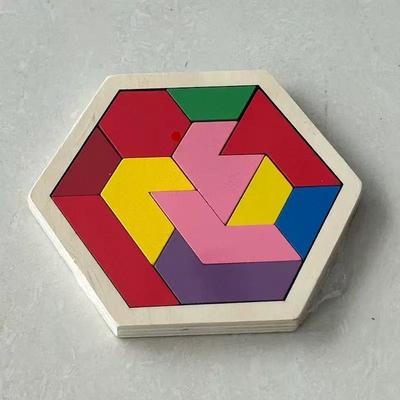
Perfect Picks Market Wooden Geometric Jigsaw Puzzle For Kids Brain Development Toy blackSpark curiosity and boost learning with the Wooden Geometric Jigsaw Puzzle. Designed for children, this educational toy blends fun with brain development, helping kids improve problemsolving, handeye coordination, and spatial awareness. Crafted from...29,97 $*Shipping: 0,00 $Secure redirect to the provider
-
Flythe Consulting Arika Wall Sconce Pair, Pair, Satin NickelThe Arika Wall Sconce Pair is an adaptation of old-fashioned light fixtures, with an appealing design that will complement modern decor. The lacquered solid brass sconces have 4.75 dia.x7 H clear glass hurricanes that will protect your standard...179,00 $*Shipping: 22,95 $Secure redirect to the provider



-
What is allosteric inhibition?
Allosteric inhibition is a type of enzyme regulation where a molecule binds to a site on the enzyme that is different from the active site, causing a conformational change in the enzyme's structure. This change reduces the enzyme's activity and ability to bind to its substrate, ultimately inhibiting its function. Allosteric inhibition is a reversible process and can be used to regulate enzyme activity in response to changing cellular conditions. **
-
Does market research hinder innovation in business administration?
Market research does not necessarily hinder innovation in business administration. In fact, it can provide valuable insights into consumer needs and preferences, helping businesses to develop innovative products and services that meet market demands. By understanding market trends and customer behavior, businesses can identify opportunities for innovation and stay ahead of competitors. However, relying too heavily on market research without allowing room for creativity and risk-taking can limit the potential for groundbreaking innovations. It is important for businesses to strike a balance between leveraging market research and fostering a culture of innovation to drive success in business administration. **
-
Does Vmax change in allosteric inhibition?
Yes, Vmax can change in allosteric inhibition. Allosteric inhibition occurs when a molecule binds to an enzyme at a site other than the active site, causing a conformational change that reduces the enzyme's activity. This can result in a decrease in the enzyme's maximum velocity (Vmax) as the enzyme becomes less efficient at catalyzing the reaction. Therefore, allosteric inhibition can lead to a decrease in Vmax, ultimately affecting the rate of the enzymatic reaction. **
-
What is a cofactor allosteric activator?
A cofactor allosteric activator is a molecule that binds to an enzyme at a site other than the active site, causing a conformational change in the enzyme that increases its activity. This type of activator works by promoting the enzyme's ability to bind to its substrate and carry out its catalytic function. Cofactor allosteric activators are important for regulating enzyme activity in response to changes in the cell's environment, allowing for fine-tuning of metabolic pathways and other cellular processes. **


Is end product repression automatically an allosteric inhibition?
End product repression is not automatically an allosteric inhibition. While end product repression often involves the inhibition of an enzyme by the end product of a metabolic pathway, this inhibition can occur through various mechanisms. Allosteric inhibition is one possible mechanism, where the end product binds to a site on the enzyme other than the active site, leading to a conformational change that inhibits the enzyme's activity. However, end product repression can also occur through competitive inhibition, non-competitive inhibition, or other regulatory mechanisms that do not involve allosteric binding. **
Is an end-product repression automatically an allosteric inhibition?
No, an end-product repression is not automatically an allosteric inhibition. End-product repression refers to the regulation of enzyme activity by the final product of a metabolic pathway, typically through feedback inhibition. This can occur through various mechanisms, including competitive inhibition or non-competitive inhibition, in addition to allosteric inhibition. Allosteric inhibition specifically involves the binding of a molecule at a site other than the active site, leading to a conformational change that affects enzyme activity. **
Top-Angebote
Products related to Allosteric:
-
Board and Dice Nucleum Energy Research Institute Board Game - Strategic Economic Board Game with Energy Networks and Research DevelopmentBuild an industrial empire in an alternate twentieth century transformed by the Uranium Revolution. Compete to develop powerful energy networks, attract investment, and earn the support of influential patrons. Plan routes, expand research, and connect cities as you develop increasingly ambitious technologies. Every decision affects progress, from constructing facilities to pursuing contracts and partnerships. Resource management and long-term planning are essential to succeed.23,20 £*Shipping: 3,95 £Secure redirect to the provider
-
Research-powered Eye Duo - Skincare Kit Charlotte Tilbury 2808 Charlotte's Research-powered Eye Duo Size:Darlings, unlock the secret to eyes that appear brighter, depuffed, smoother and younger with my Research-Powered Eye Duo! This CharlotteTilbury.com EXCLUSIVE skincare duo includes:94,05 £*Shipping: 0,00 £Secure redirect to the provider
-
Gamegenic Magic: The Gathering Reality Fracture Premium Art Sleeves - Chandra, Chill of Compliance - Gamegenic Chandra, Chill of ComplianceProtect your Magic: The Gathering cards with style using the Gamegenic Reality Fracture Premium Art Sleeves featuring Chandra, Chill of Compliance. These sleeves combine everyday protection with artwork inspired by the Reality Fracture setting, making them perfect for players who want dependable card protection without losing the character of their collection. They help shield cards from handling, surface wear, and minor marks during play, deck building, and storage. The sleeves are designed for Magic: The Gathering cards and are available in a retail pack. Pair them with a compatible deck box or card storage solution for a coordinated setup.9,39 £*Shipping: 3,95 £Secure redirect to the provider
-
Perfect Picks Market Wooden Geometric Jigsaw Puzzle For Kids Brain Development Toy blackSpark curiosity and boost learning with the Wooden Geometric Jigsaw Puzzle. Designed for children, this educational toy blends fun with brain development, helping kids improve problemsolving, handeye coordination, and spatial awareness. Crafted from...29,97 $*Shipping: 0,00 $Secure redirect to the provider
-
What is the difference between allosteric inhibition and allosteric activation?
Allosteric inhibition occurs when a molecule binds to an allosteric site on an enzyme, causing a conformational change that decreases the enzyme's activity. In contrast, allosteric activation involves a molecule binding to an allosteric site on an enzyme, leading to a conformational change that increases the enzyme's activity. Essentially, allosteric inhibition decreases enzyme activity, while allosteric activation increases enzyme activity. **
-
Is allosteric inhibition irreversible?
Allosteric inhibition is typically reversible, meaning that the inhibitor can bind to the allosteric site and block the activity of the enzyme, but can also dissociate from the site, allowing the enzyme to regain its activity. This is in contrast to irreversible inhibition, where the inhibitor forms a covalent bond with the enzyme, permanently inactivating it. **
-
What is allosteric inhibition?
Allosteric inhibition is a type of enzyme regulation where a molecule binds to a site on the enzyme that is different from the active site, causing a conformational change in the enzyme's structure. This change reduces the enzyme's activity and ability to bind to its substrate, ultimately inhibiting its function. Allosteric inhibition is a reversible process and can be used to regulate enzyme activity in response to changing cellular conditions. **
-
Does market research hinder innovation in business administration?
Market research does not necessarily hinder innovation in business administration. In fact, it can provide valuable insights into consumer needs and preferences, helping businesses to develop innovative products and services that meet market demands. By understanding market trends and customer behavior, businesses can identify opportunities for innovation and stay ahead of competitors. However, relying too heavily on market research without allowing room for creativity and risk-taking can limit the potential for groundbreaking innovations. It is important for businesses to strike a balance between leveraging market research and fostering a culture of innovation to drive success in business administration. **
Similar search terms for Allosteric
-
Flythe Consulting Arika Wall Sconce Pair, Pair, Satin NickelThe Arika Wall Sconce Pair is an adaptation of old-fashioned light fixtures, with an appealing design that will complement modern decor. The lacquered solid brass sconces have 4.75 dia.x7 H clear glass hurricanes that will protect your standard...179,00 $*Shipping: 22,95 $Secure redirect to the provider
-
SAGE Publications Case Study Research and Applications: Design and MethodsRecognized as one of the most cited methodology books in the social sciences, the Sixth Edition of Robert K. Yin′s bestselling text provides a complete portal to the world of case study research. With the integration of 11 applications in this edition, the book gives readers access to exemplary case studies drawn from a wide variety of academic and applied fields. Ultimately, Case Study Research and Applications will guide students in the successful use and application of the case study research method.59,99 £*Shipping: 0,00 £Secure redirect to the provider
-
Sesderma Reti Age 5 Liposomal Serum Anti-Aging Innovation 30mLA facial serum for wrinkles and signs of ageing. Reduces wrinkles and fine lines. Hydrates and strengthens barrier. Restores youthful radiance. 5-Retinoid System: smooths wrinkles, accelerates renewal, and boosts collagen. Biomimetic Peptides: fill expression lines by stimulating collagen synthesis.53,26 £*Shipping: 5,22 £Secure redirect to the provider
-
Does Vmax change in allosteric inhibition?
Yes, Vmax can change in allosteric inhibition. Allosteric inhibition occurs when a molecule binds to an enzyme at a site other than the active site, causing a conformational change that reduces the enzyme's activity. This can result in a decrease in the enzyme's maximum velocity (Vmax) as the enzyme becomes less efficient at catalyzing the reaction. Therefore, allosteric inhibition can lead to a decrease in Vmax, ultimately affecting the rate of the enzymatic reaction. **
-
What is a cofactor allosteric activator?
A cofactor allosteric activator is a molecule that binds to an enzyme at a site other than the active site, causing a conformational change in the enzyme that increases its activity. This type of activator works by promoting the enzyme's ability to bind to its substrate and carry out its catalytic function. Cofactor allosteric activators are important for regulating enzyme activity in response to changes in the cell's environment, allowing for fine-tuning of metabolic pathways and other cellular processes. **
-
Is end product repression automatically an allosteric inhibition?
End product repression is not automatically an allosteric inhibition. While end product repression often involves the inhibition of an enzyme by the end product of a metabolic pathway, this inhibition can occur through various mechanisms. Allosteric inhibition is one possible mechanism, where the end product binds to a site on the enzyme other than the active site, leading to a conformational change that inhibits the enzyme's activity. However, end product repression can also occur through competitive inhibition, non-competitive inhibition, or other regulatory mechanisms that do not involve allosteric binding. **
-
Is an end-product repression automatically an allosteric inhibition?
No, an end-product repression is not automatically an allosteric inhibition. End-product repression refers to the regulation of enzyme activity by the final product of a metabolic pathway, typically through feedback inhibition. This can occur through various mechanisms, including competitive inhibition or non-competitive inhibition, in addition to allosteric inhibition. Allosteric inhibition specifically involves the binding of a molecule at a site other than the active site, leading to a conformational change that affects enzyme activity. **
* All prices are inclusive of VAT and, if applicable, plus shipping costs. The offer information is based on the details provided by the respective shop and is updated through automated processes. Real-time updates do not occur, so deviations can occur in individual cases. ** Note: Parts of this content were created by AI.